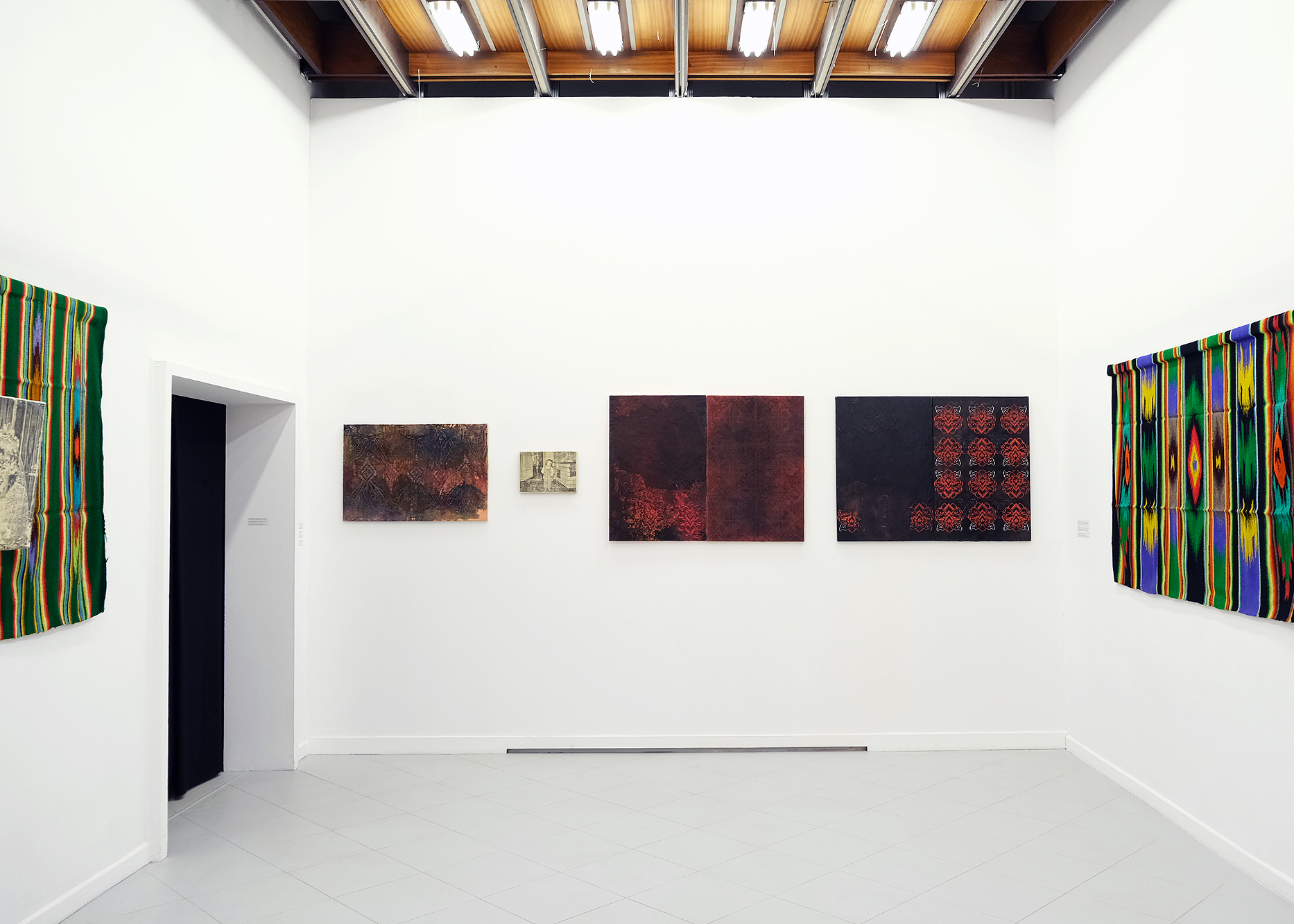
Exhibition :
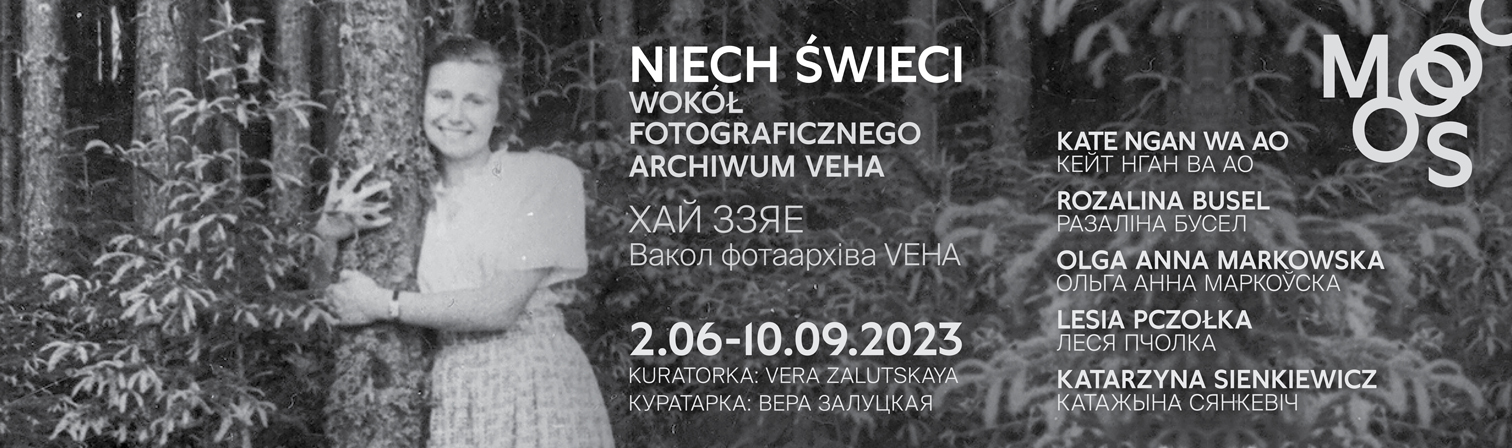
LET IT SHINE. Beyond VEHA Photographic Archive
Curator : Vera Zalutskaya
Artists : Kate Ngan Wa Ao, Rozalina Busel, Olga Anna Markowska, Lesia Pcholka,
Katarzyna Sienkiewicz
02.06 – 10.09.2023
Gallery : MOS. Municipal Art Center. Gorzów Wielkopolski, PL
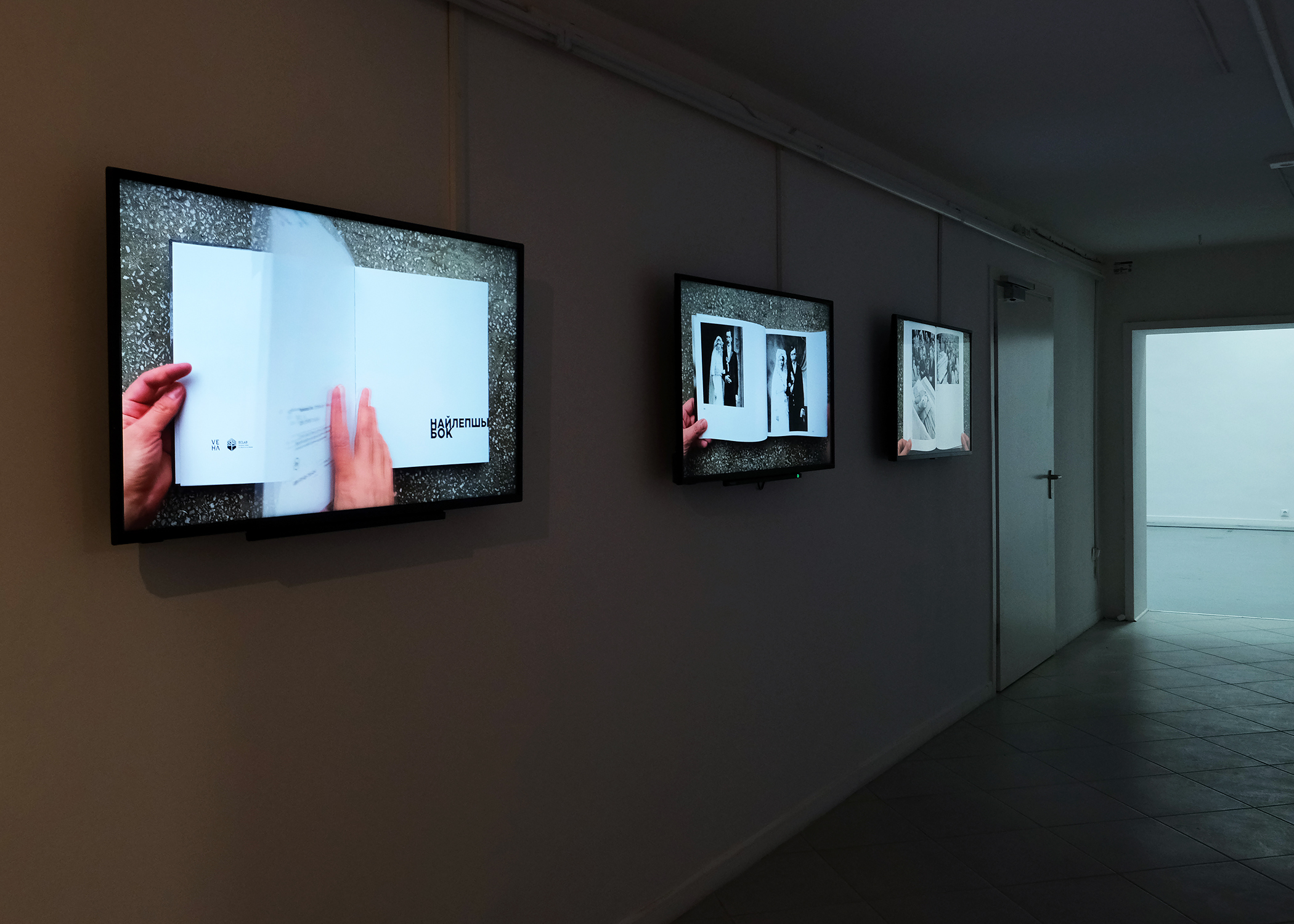
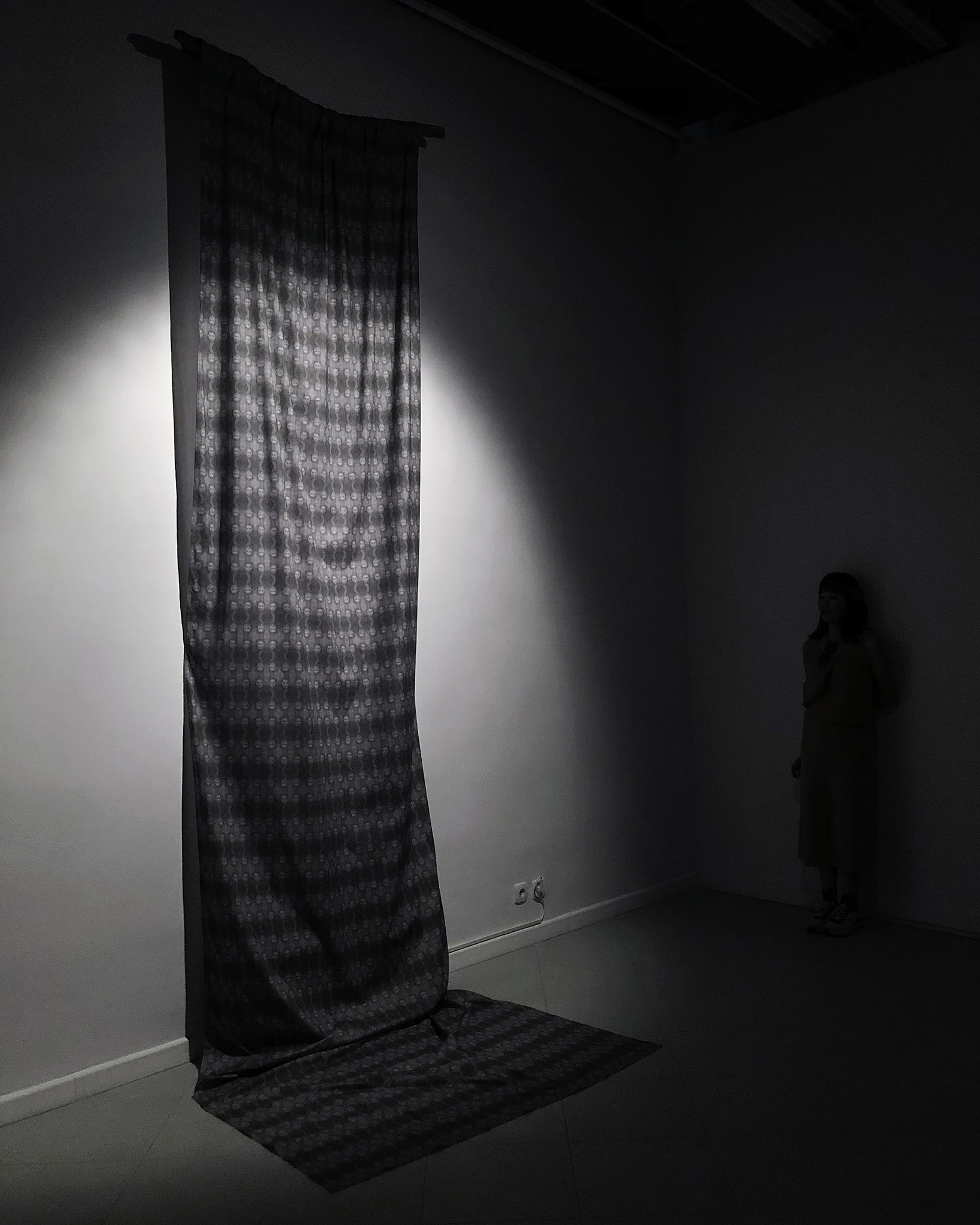
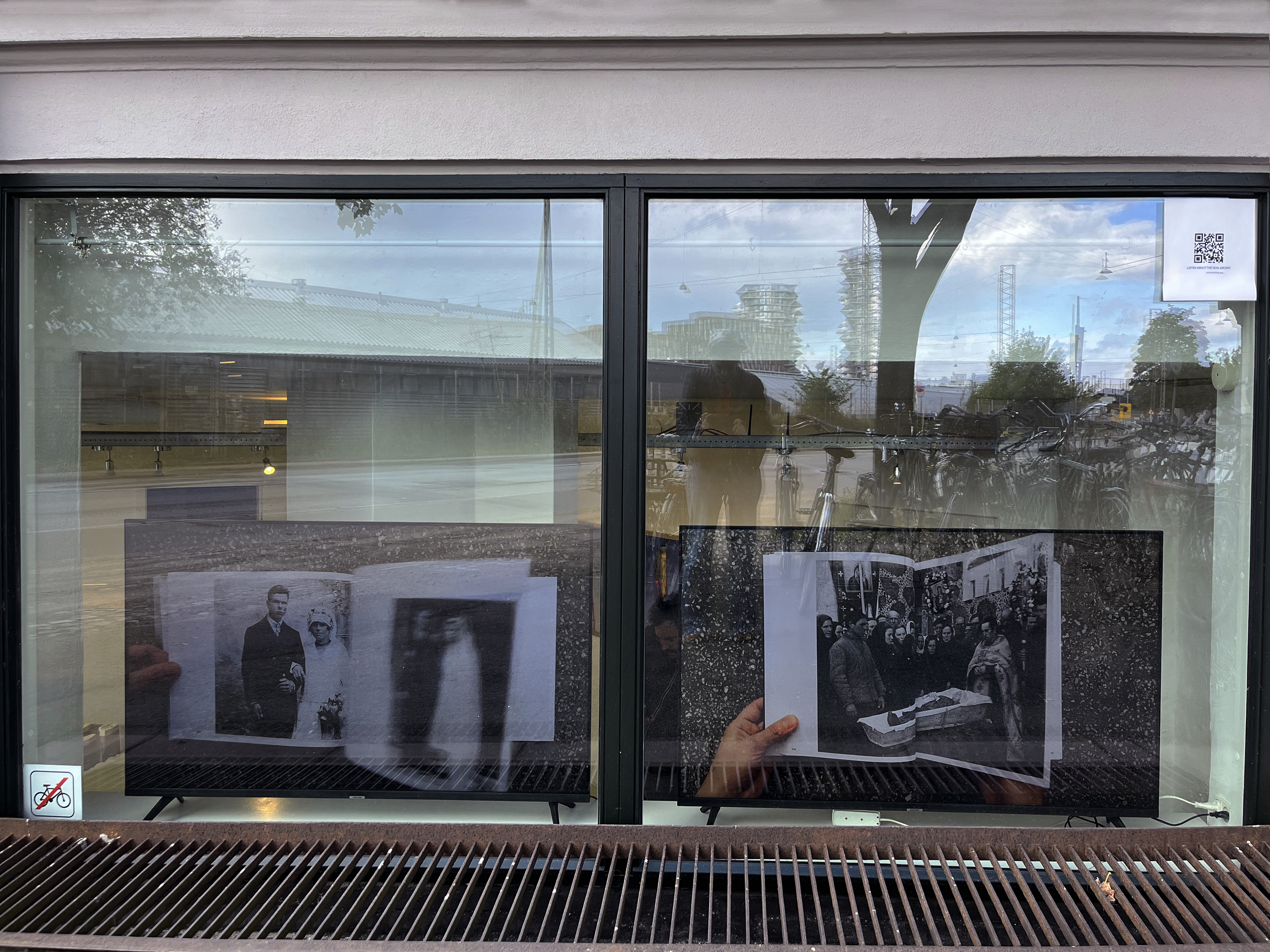
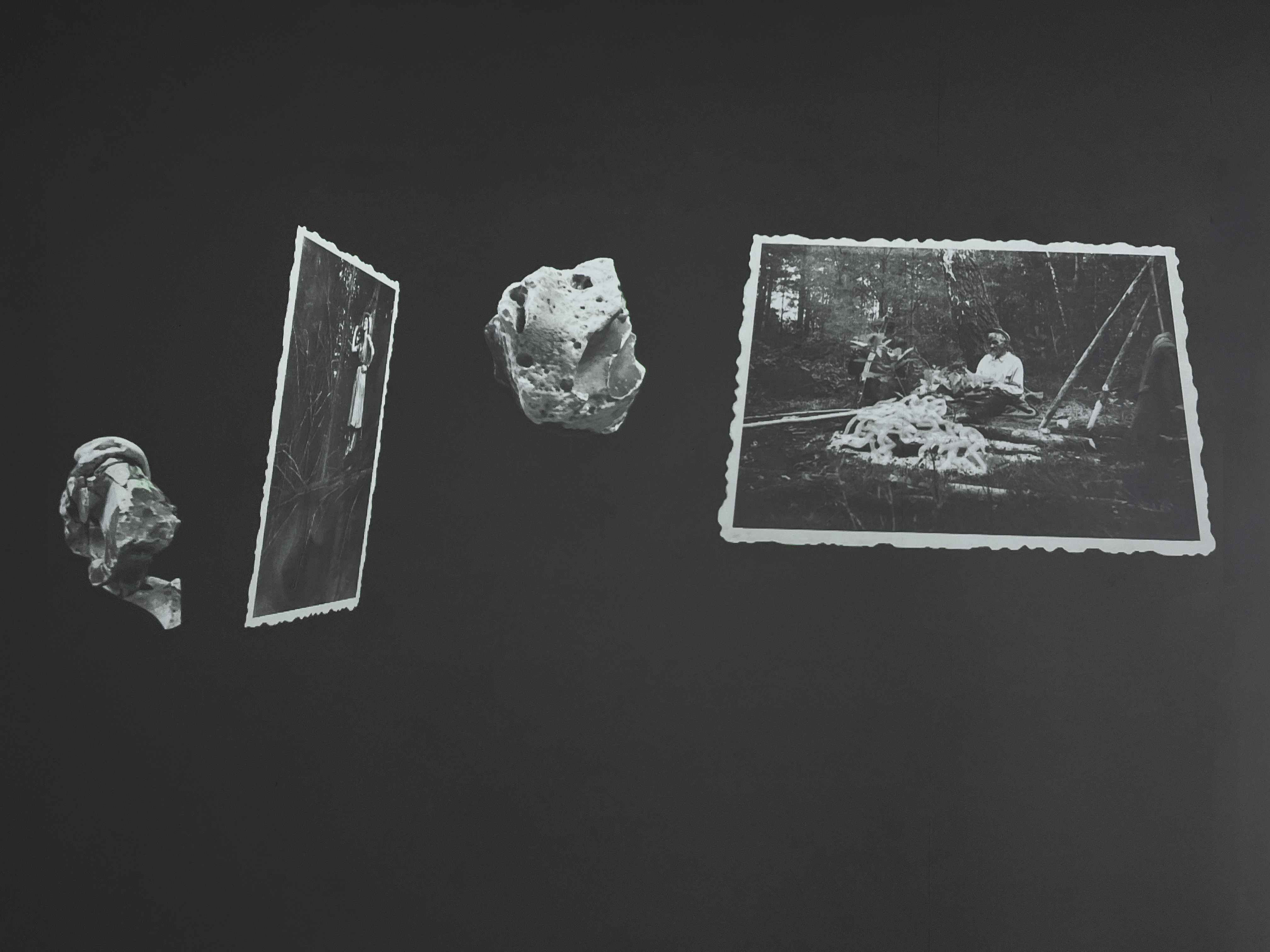
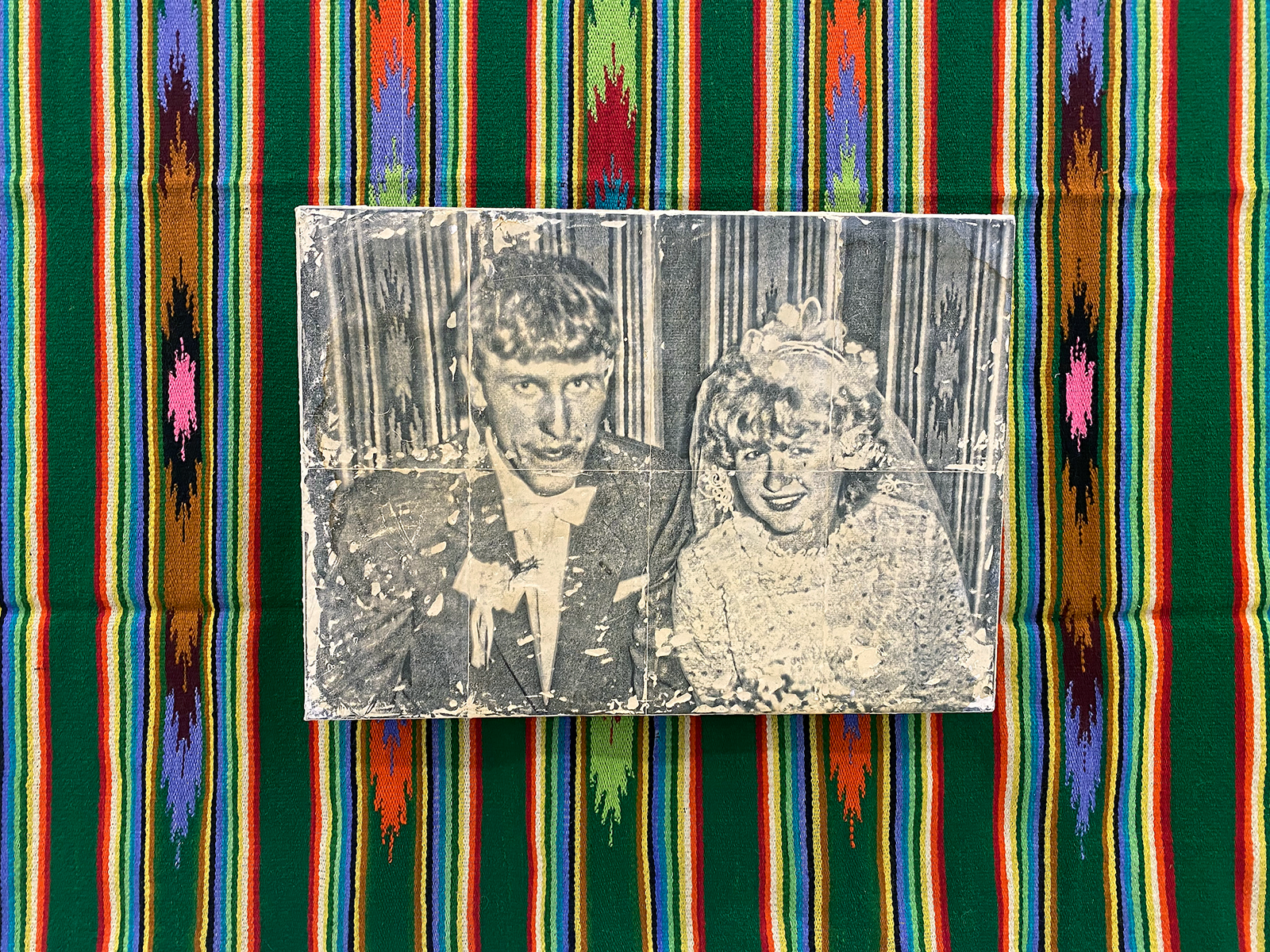
The central point of the exhibition is the VEHA archive, founded in 2017 by Lesia Pcholka and remaining one of the most important initiatives for the preservation of the Belarusian visual heritage. The project involves the collection and cataloguing of amateur and family photographs, documenting various aspects of social life since the advent of this medium in contemporary Belarus. The themes of the collection so far have included family shots in front of home-woven carpets, wedding and funeral compositions, and images of people against a forest backdrop. A separate book with photographs and research texts has been produced for each theme. By collecting, researching and disseminating a visual social archive, VEHA aims to preserve the traces of the history of everyday life in Belarus. Given that the Belarusian state and public institutions often erase or even destroy remains of local culture, either deliberately or due to a lack of resources, the VEHA project can be seen as a manifestation of both cultural and civic activism.
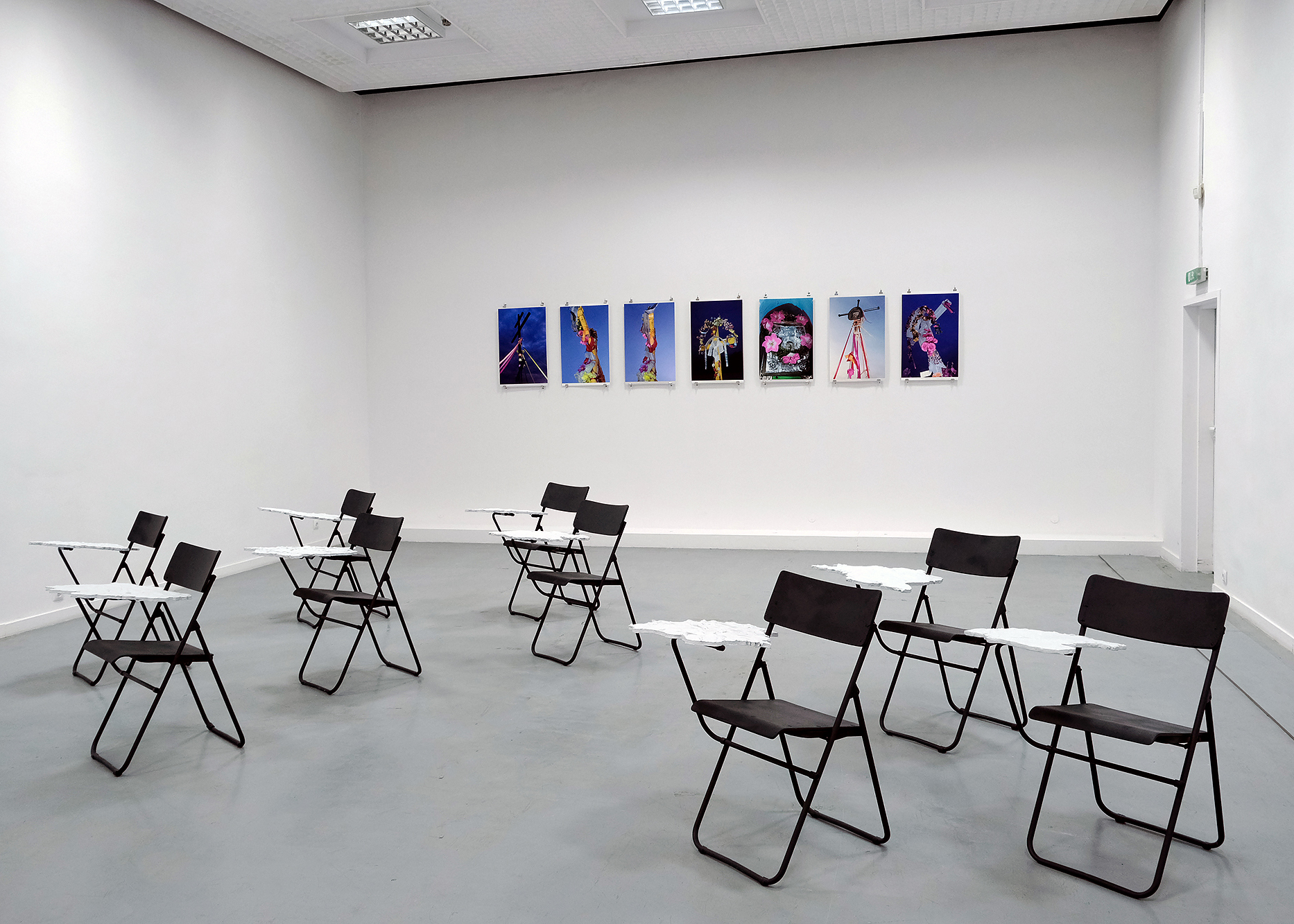
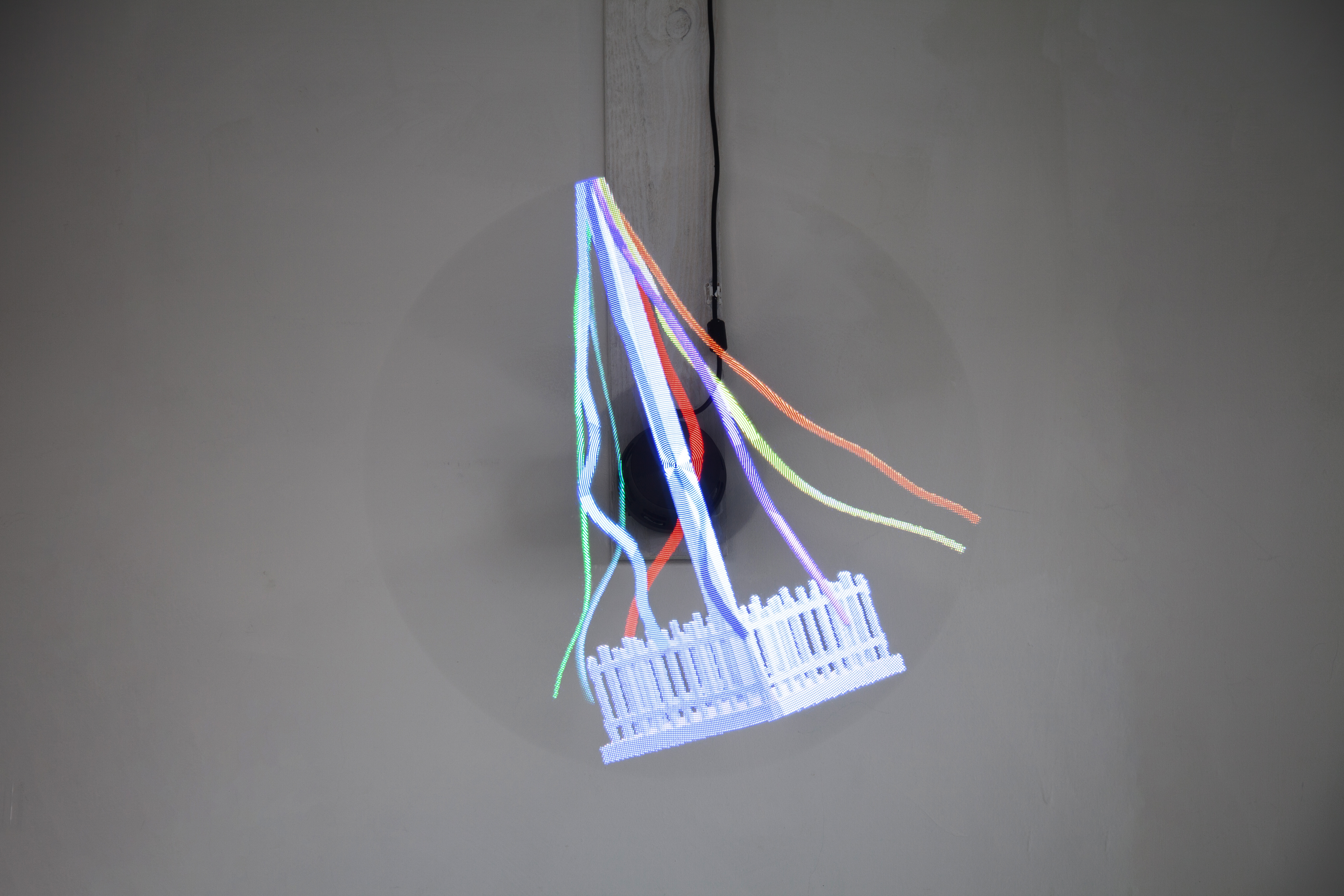
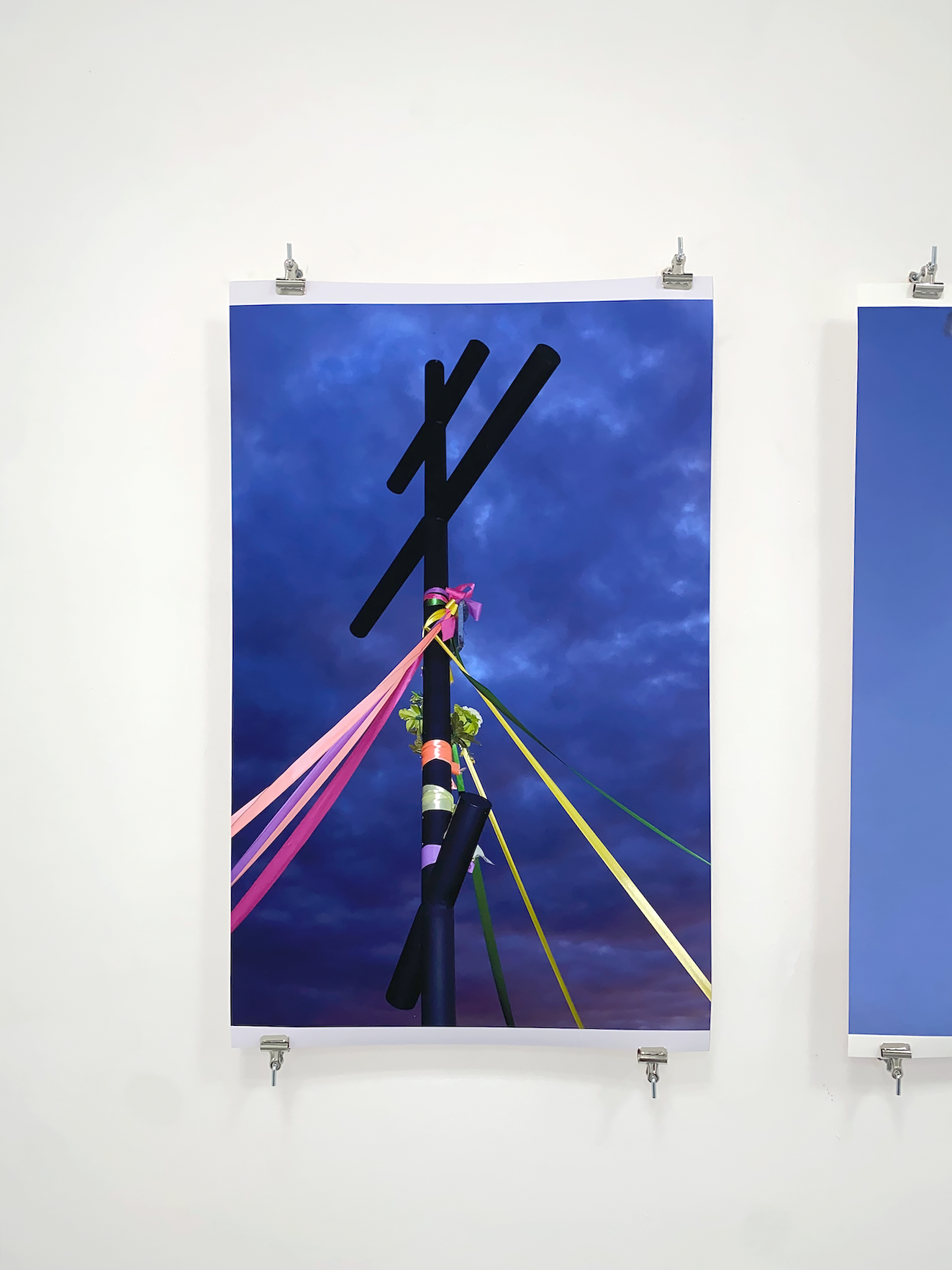
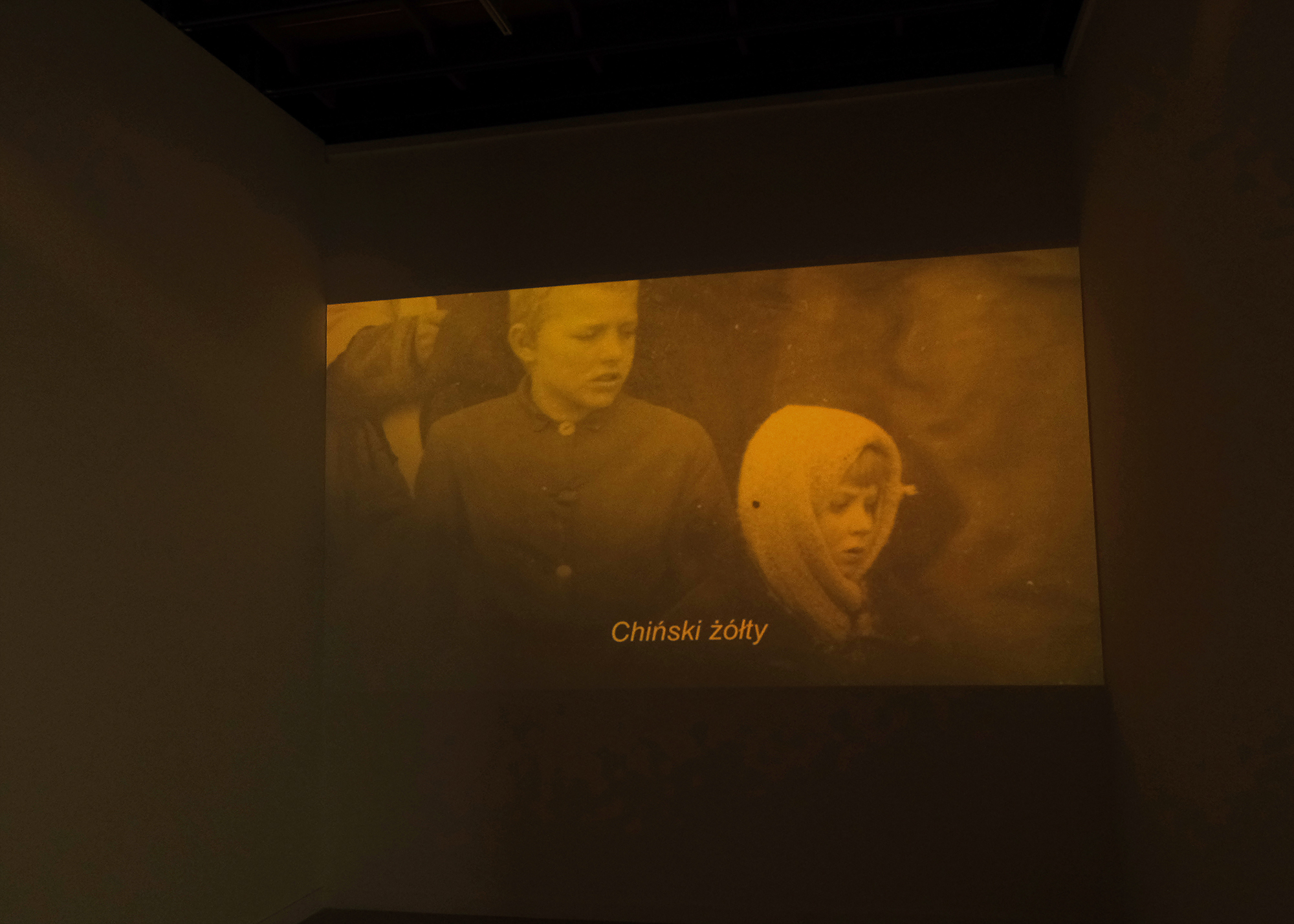
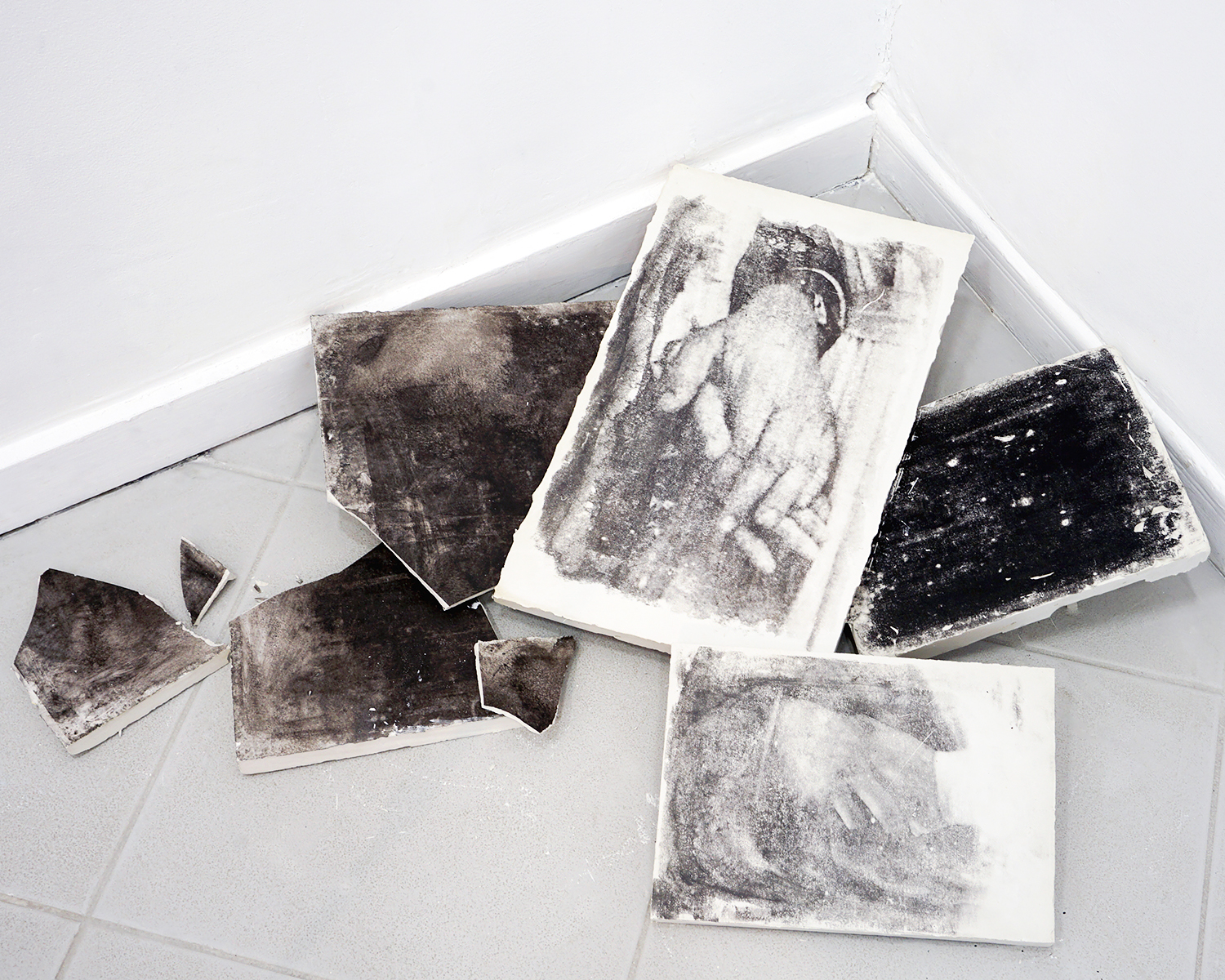
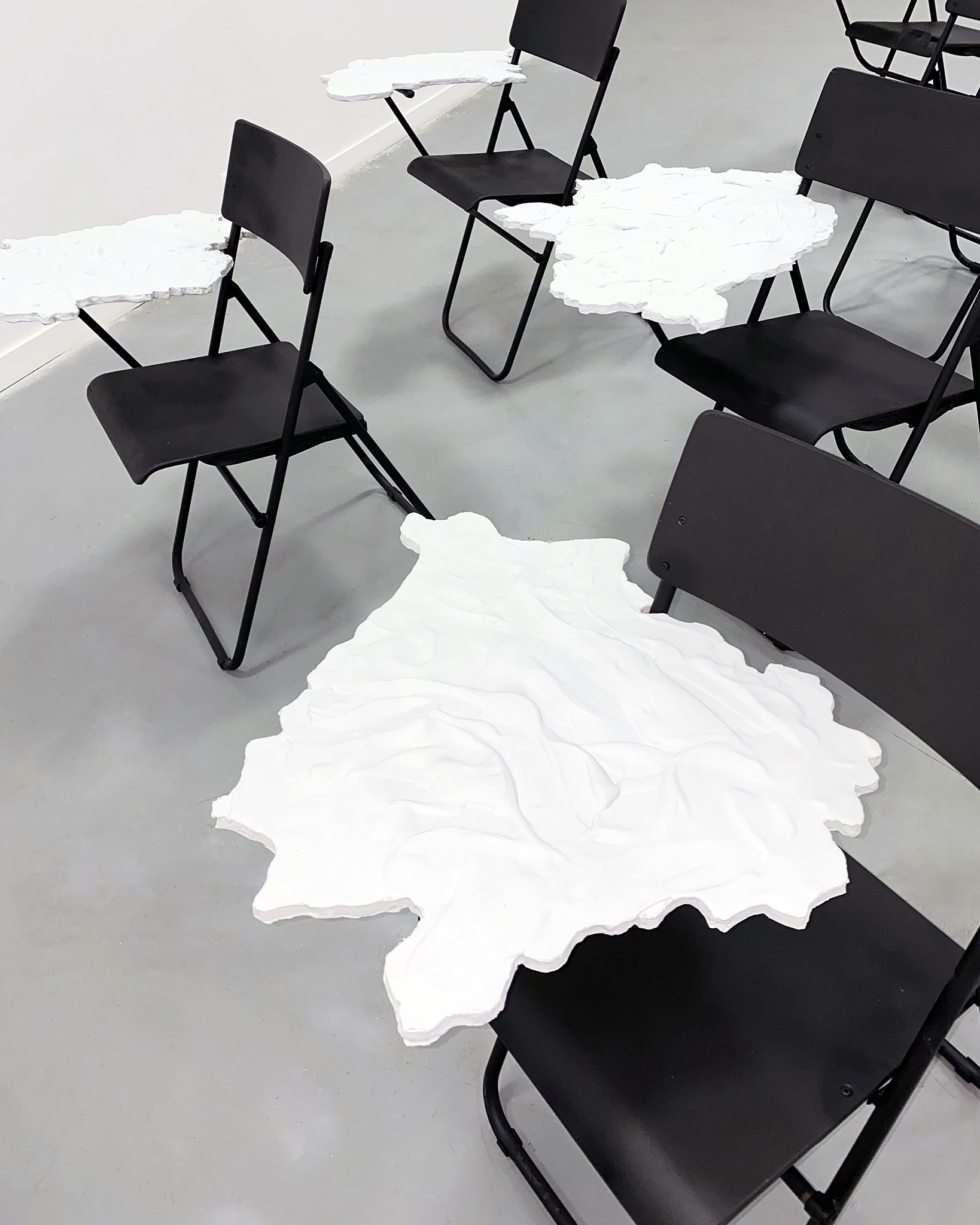
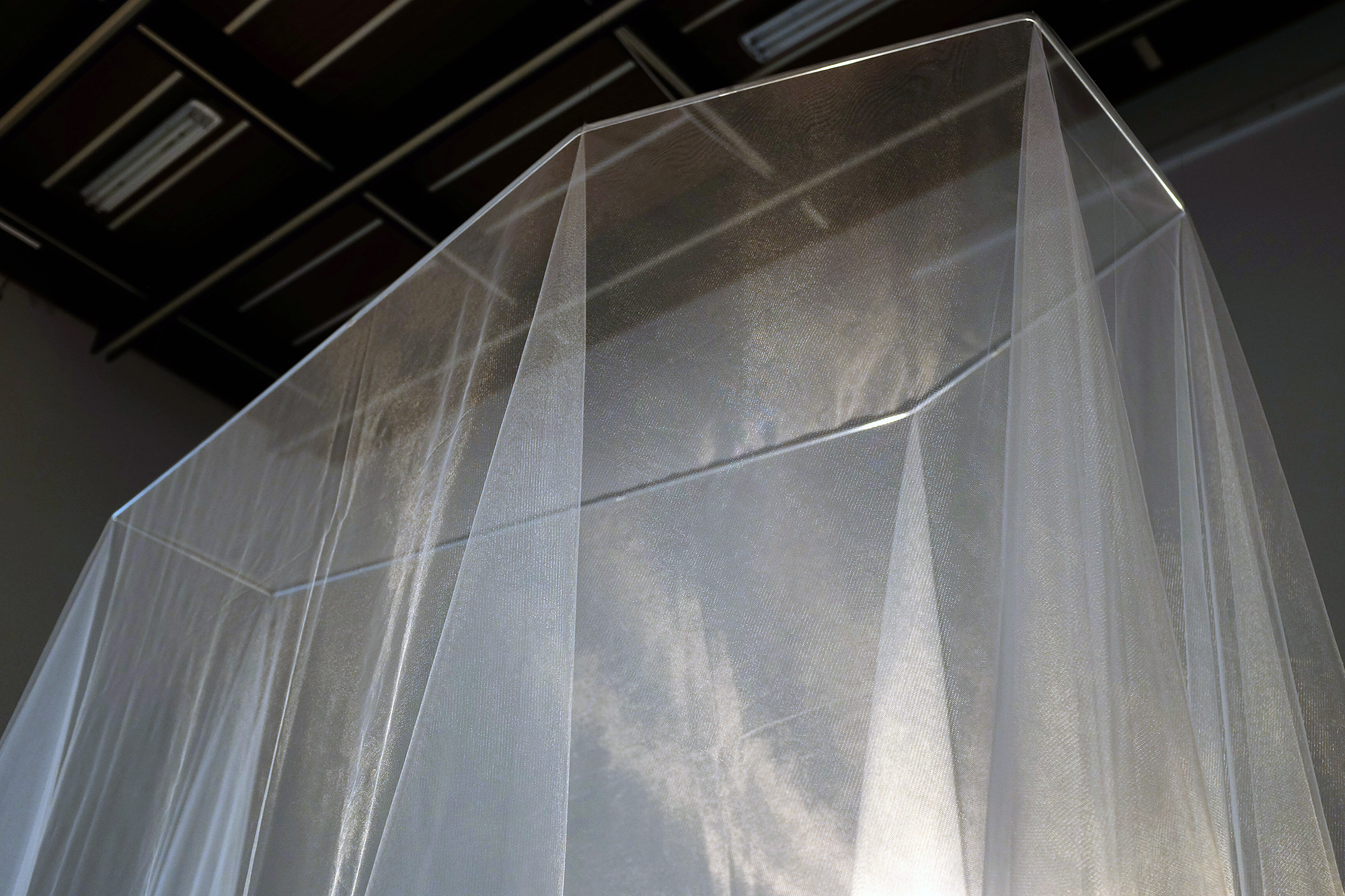
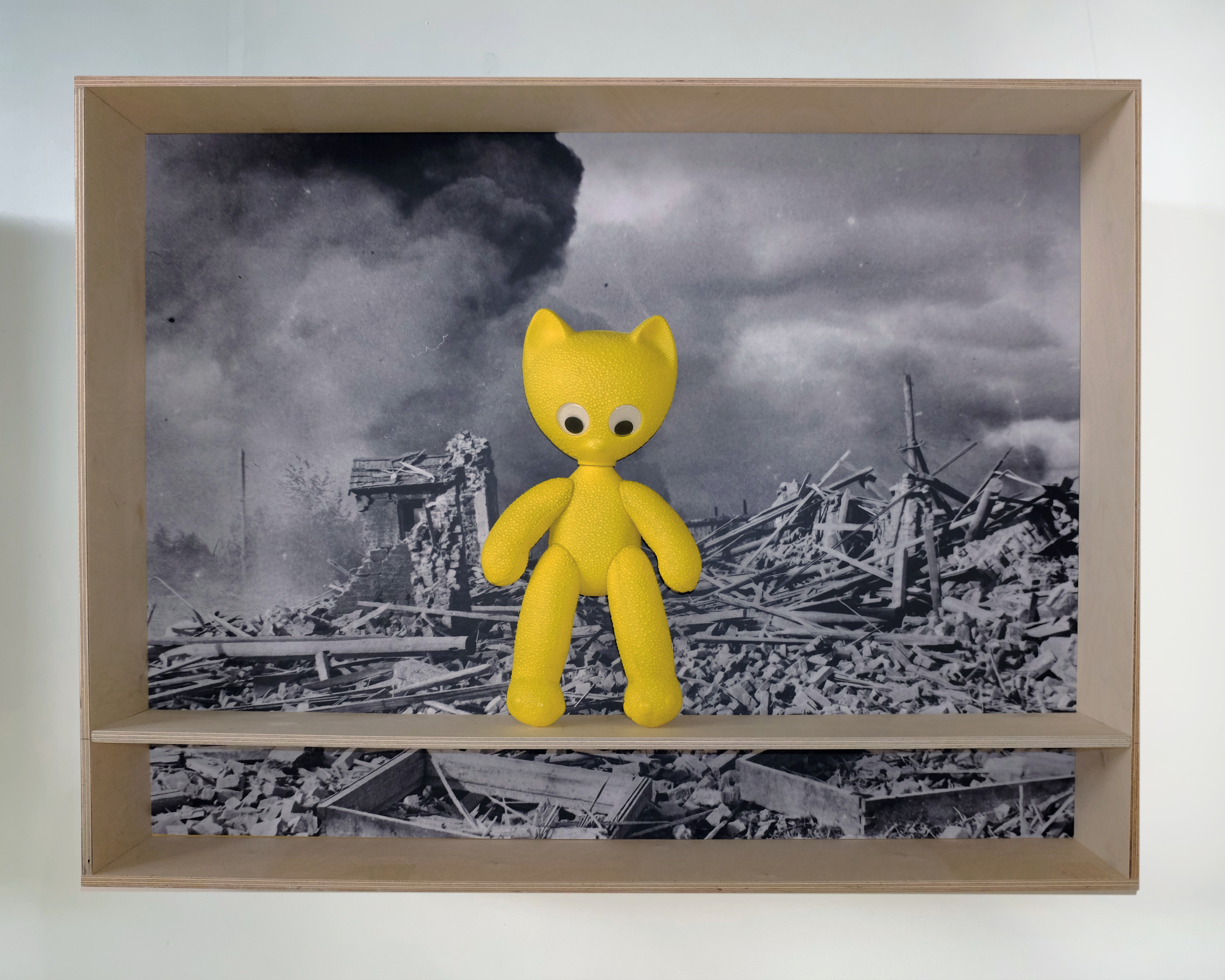
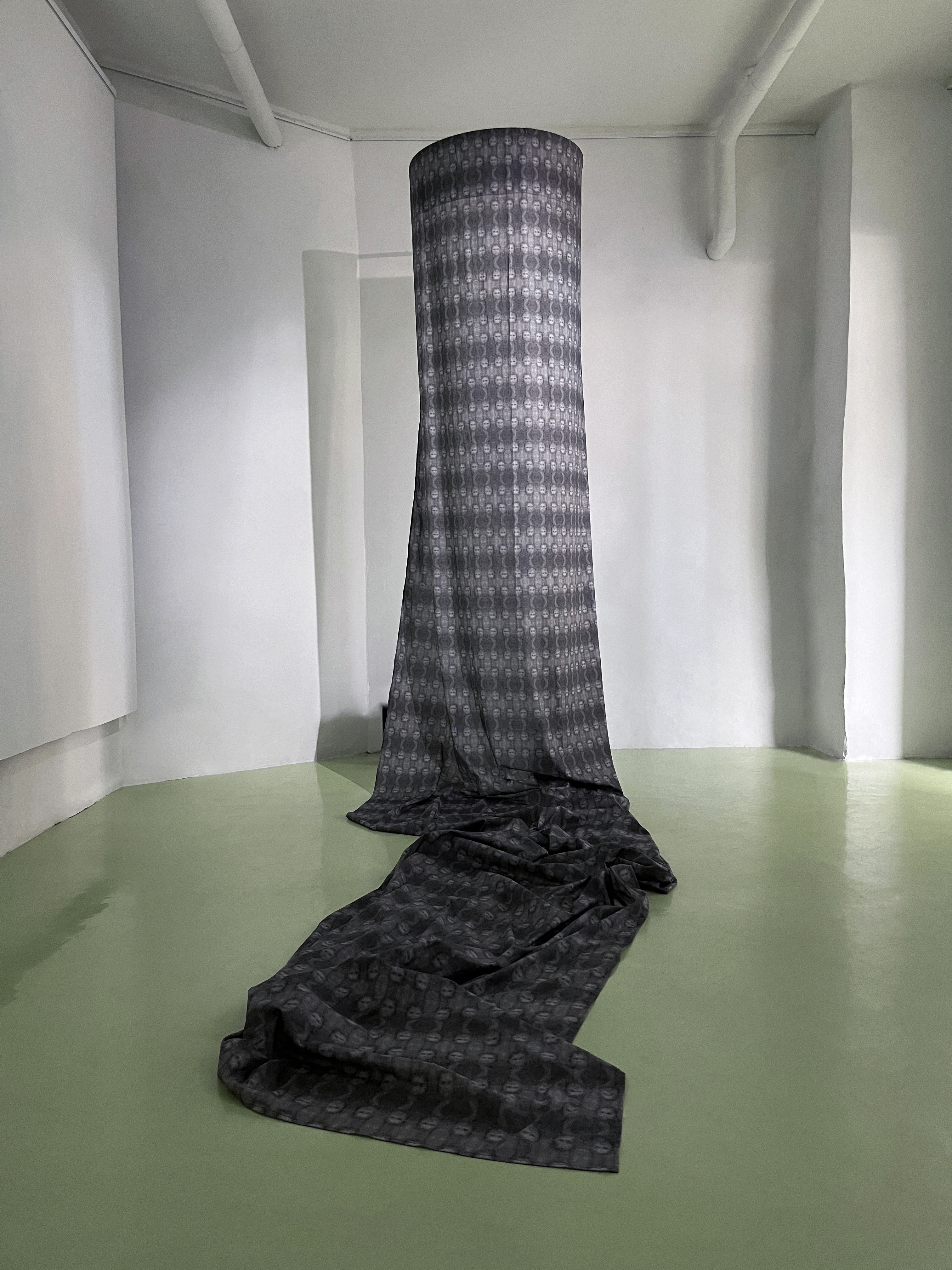
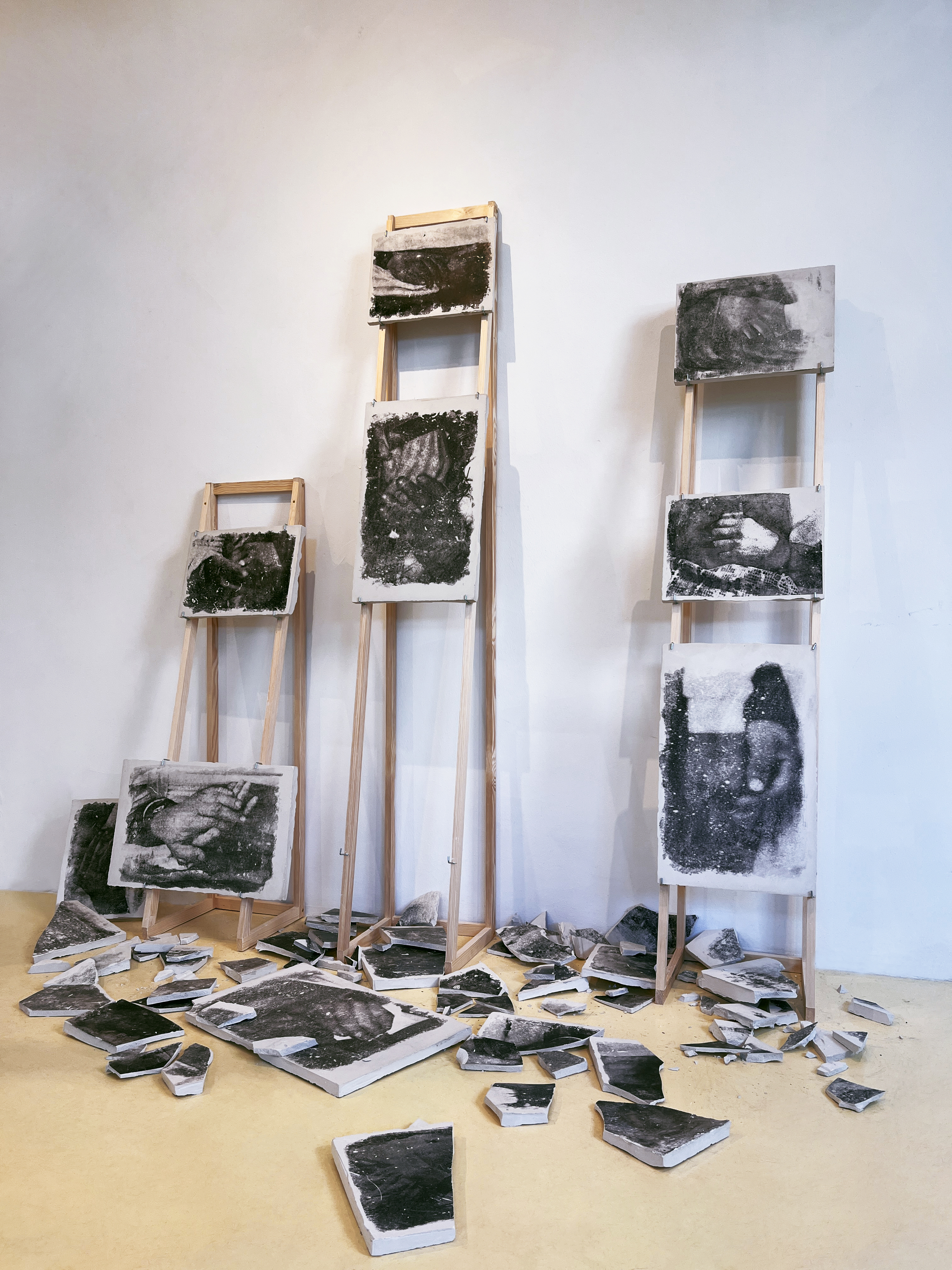
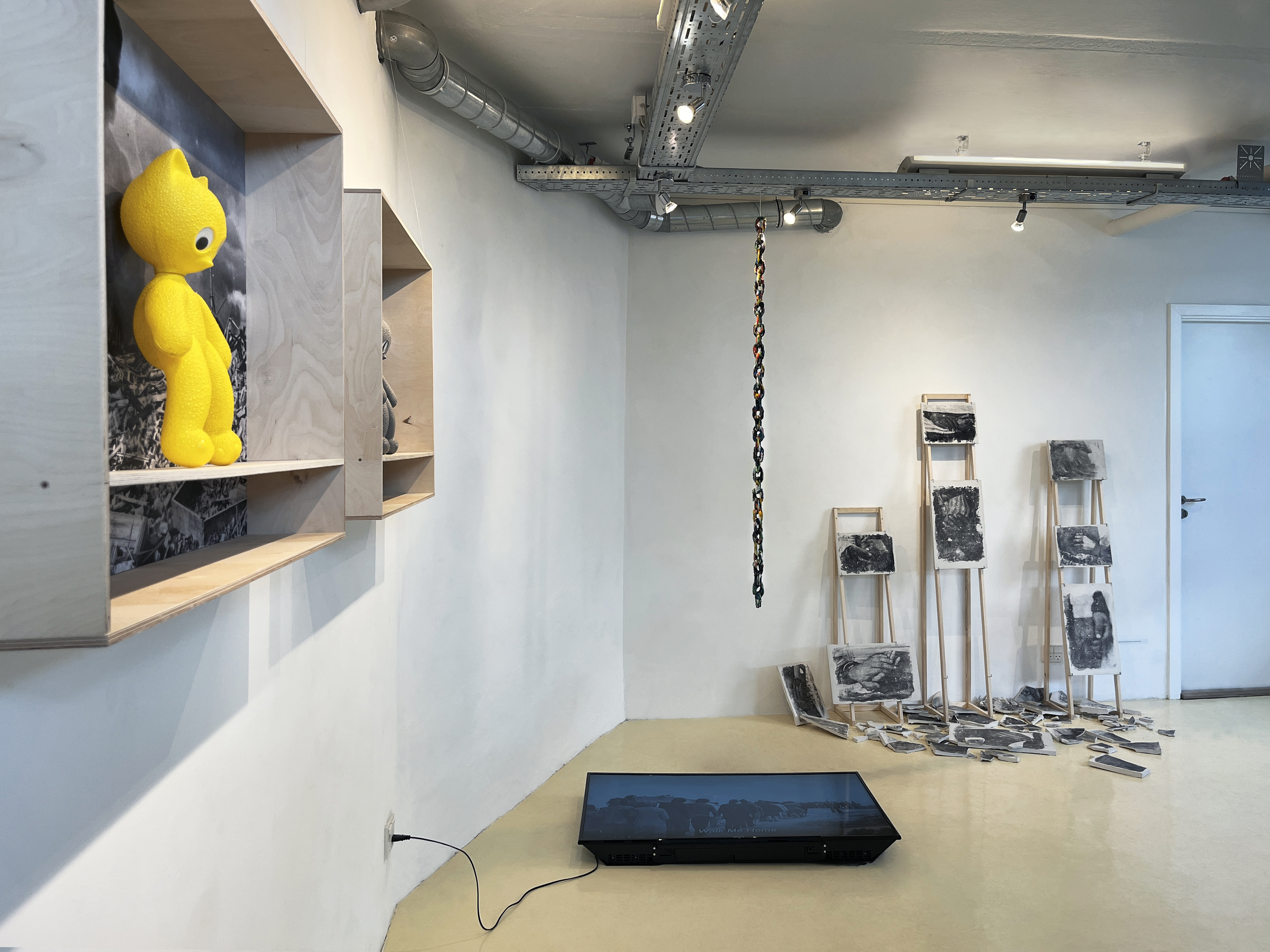
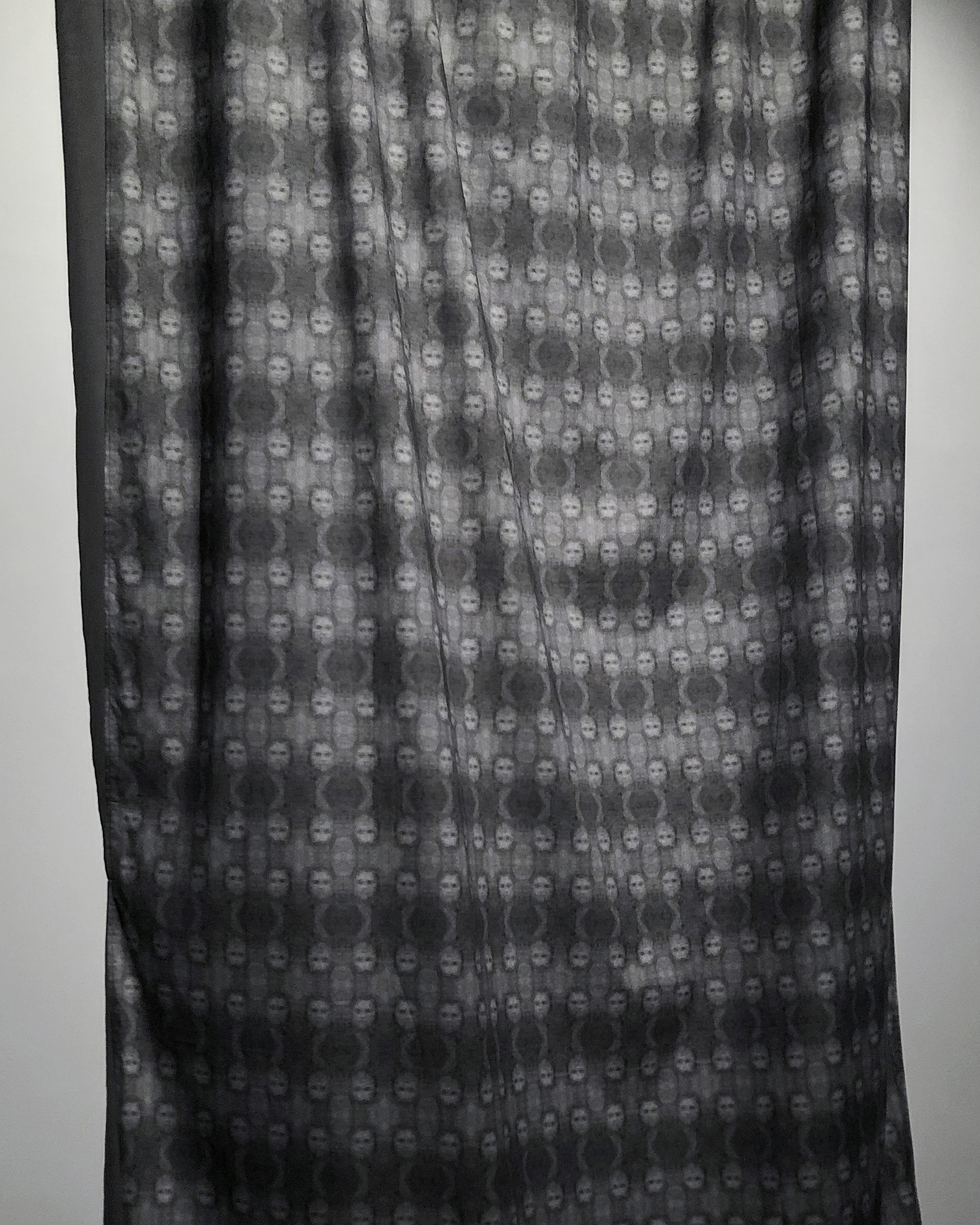
Artists from Belarus, Poland and Macau were invited to participate in the exhibition. Most of the presented works were created specifically for the show. Olga Anna Markowska, who comes from the Podlasie region, focuses on the relationship between the human and the forest, including by transforming Belarusian folk songs dedicated to nature into contemporary musical compositions. Katarzyna Sienkiewicz, being part of the Belarusian minority in Poland, reveals her own family history, which is linked to weaving (both of her grandmothers were weavers) and Belarusian culture. Originally from Macau, Kate Ngan Wa Ao refers to a specific way of looking at history that is emblematic of areas that lie ‘in-between’ different, often violent, powers and cultures (a feature shared by Belarus and Macau). Rozalina Busel is the author of a poetic installation that combines key attributes of human life and death and visualises the connection between selected themes of the VEHA archive. Lesia Pcholka, the originator and founder of the initiative, has created several works linking the themes of all the archive’s sections. They refer to the complex, often contradictory elements characteristic of Belarusian culture, which cannot be reduced to a monolithic set of national signs and symbols.
The title of the exhibition "Let it Shine" is taken from a fragment of the poem ‘To Live’ by Larysa Heniyush (1910–1983), a Belarusian poet and émigré politician who lived in the time featured in most of the photographs from the VEHA archive. Her understanding of life centres around the simplest of issues: attachment to Mother Earth, forests and gardens; intergenerational bonds, memory, home, and hopes for the best. These are themes that are often found in private family collections containing individual histories. They form a national history when gathered into a larger collection, such as the VEHA archive. This history is presented in its grassroots form, devoid of grand narratives, well-known names and widely celebrated dates. This allows for a detailed grasp of the manifestations of the local natural and cultural environment through the presentation of the most universal elements of human life.
BY
Адпраўны пункт выставы – архіў VEHA, распачаты у 2017 годзе. Гэта адна з найважнейшых ініцыятыў па захаванні беларускай візуальнай спадчыны. Праца архіву заключаецца ў зборы і каталагізацыі аматарскіх і сямейных фотаздымкаў, якія дакументуюць розныя аспекты грамадскага жыцця, з моманту з'яўлення гэтага медыума на тэрыторыі сучаснай Беларусі. Да гэтага часу сярод тэм калекцыі былі : сямейныя здымкі на фоне тканых дываноў, вясельныя і пахавальныя фота, а таксама фотаздымкі людзей у лесе. Кожная з тэм увасобленая ў асобнай кнізе, якая ўтрымлівае таксама даследчыя тэксты. Збіраючы, вывучаючы і распаўсюджваючы візуальны сацыяльны архіў, VEHA імкнецца захаваць сляды гісторыі беларускай штодзённасці. У кантэксце дзейнасці беларускай дзяржавы і дзяржаўных інстытутаў, якія часта (наўмысна або з-за адсутнасці адпаведных рэсурсаў) размываюць або цалкам знішчаюць сляды мясцовай культуры, архіў VEHA можна смела разглядаць як праяву не толькі культурнай, але і грамадзянскай актыўнасці.
Да ўдзелу ў выставе запрошаныя мастачкі з Польшчы, Беларусі і Макаа. Большая частка прадстаўленых прац былі створаны спецыяльна для выставы. Ольга Анна Маркоўска, родам з польскага Падляшша, яна засяроджваецца на тэме адносін чалавека з лесам, у тым ліку на перапрацоўцы беларускіх народных песень, прысвечаных прыродзе, у сучасныя музычныя кампазіцыі. Катажына Сянкевіч, якая належыць да беларускай меншасці ў Польшчы, раскрывае гісторыю сваёй сям'і, звязаную з ткацтвам (ткачыхамі былі абедзве яе бабулі мастачкі) і беларускай культурай. Ураджэнка Макаа Кейт Нган Ва Ао распавядае аб асаблівым спосабе бачання гісторыі з тэрыторый, размешчаных “на сутыкненні” розных, часта гвалтоўных сіл і культур (гэты рыса абʼядноўвае Беларусь і Макаа). Разаліна Бусел – аўтарка паэтычнай інсталяцыі, якая спалучае ў сабе ключавыя атрыбуты чалавечага жыцця і смерці і ў якой прасочваецца сувязь паміж асобнымі тэмамі архіва VEHA. Ініцыятарка і заснавальніца архіву Леся Пчолка стварыла некалькі работ, якія абʼядноўваюць тэмы ўсіх раздзелаў. Яны адсылаюць да складаных, часта супярэчлівых элементаў, характэрных для беларускай культуры, якія немагчыма звесці да маналітнага набору нацыянальных знакаў і сімвалаў.
Назва выставы “Хай ззяе” з урыўка верша “Жыць” Ларысы Геніюш (1910–1983), беларускай паэткі-эмігранткі і палітычнай дзяячкі, якая жыла ў той час, які адлюстроўвае большасць фатаграфій архіва VEHA. Яе разуменне жыцця прасякнутае найпрасцейшымі пытаннямі : прыналежнасцю да зямлі, лясоў, садоў, сувяззю пакаленняў, памяццю, домам, а таксама верай у лепшае заўтра. Гэта тэмы, якія часта трапляюцца ў прыватных сямейных калекцыях, дзе адлюстраваныя асобныя гісторыі. Сабраныя ў вялікую калекцыю, напрыклад, архіў VEHA, яны ўтвараюць гісторыю краіны. Гэтая гісторыя паўстае ў версіі простых людзей, пазбаўленай грандыёзных апавяданняў, вядомых імён і дат, якія паўсюдна адзначаюць. Гэта дазваляе дэталёва захаваць праявы мясцовага прыроднага і культурнага асяроддзя шляхам прадстаўлення найбольш універсальных элементаў чалавечага жыцця.
Exhibition :
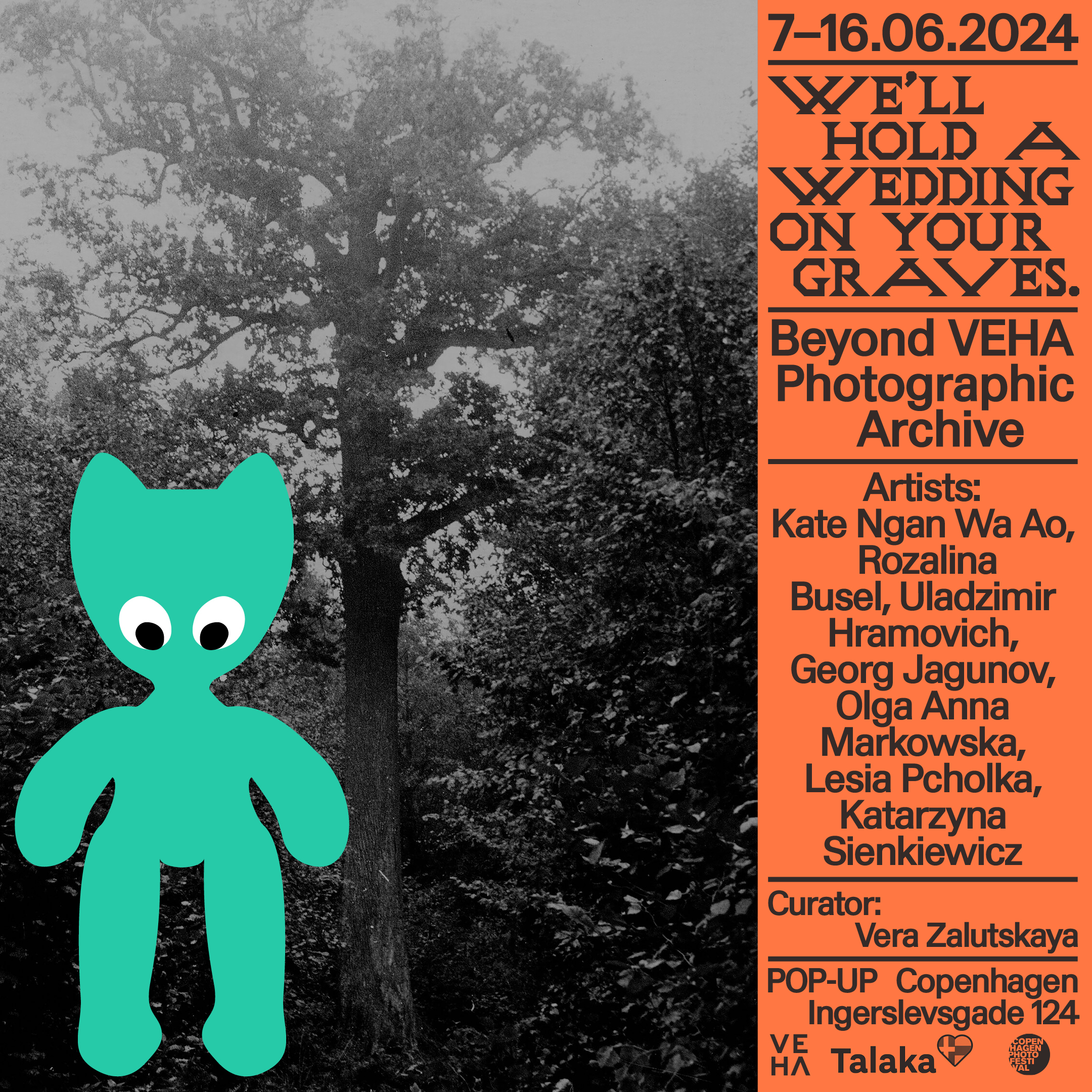
We’ll Hold a Wedding on Your Graves. Beyond VEHA Photographic Archive
Curator : Vera Zalutskaya
Artists : Kate Ngan Wa Ao, Rozalina Busel, Lesia Pcholka, Uladzimir Hramovich, Georg Jagunov, Olga Anna Markowska, Katarzyna Sienkiewicz
08.06 – 16.06.2023
Copenhagen Photo Festival
Gallery : Pop Up. Ingerslevsgade 124. København, 1705. Copenhagen, DK
Artists : Kate Ngan Wa Ao, Rozalina Busel, Lesia Pcholka, Uladzimir Hramovich, Georg Jagunov, Olga Anna Markowska, Katarzyna Sienkiewicz
Gallery : Pop Up. Ingerslevsgade 124. København, 1705. Copenhagen, DK
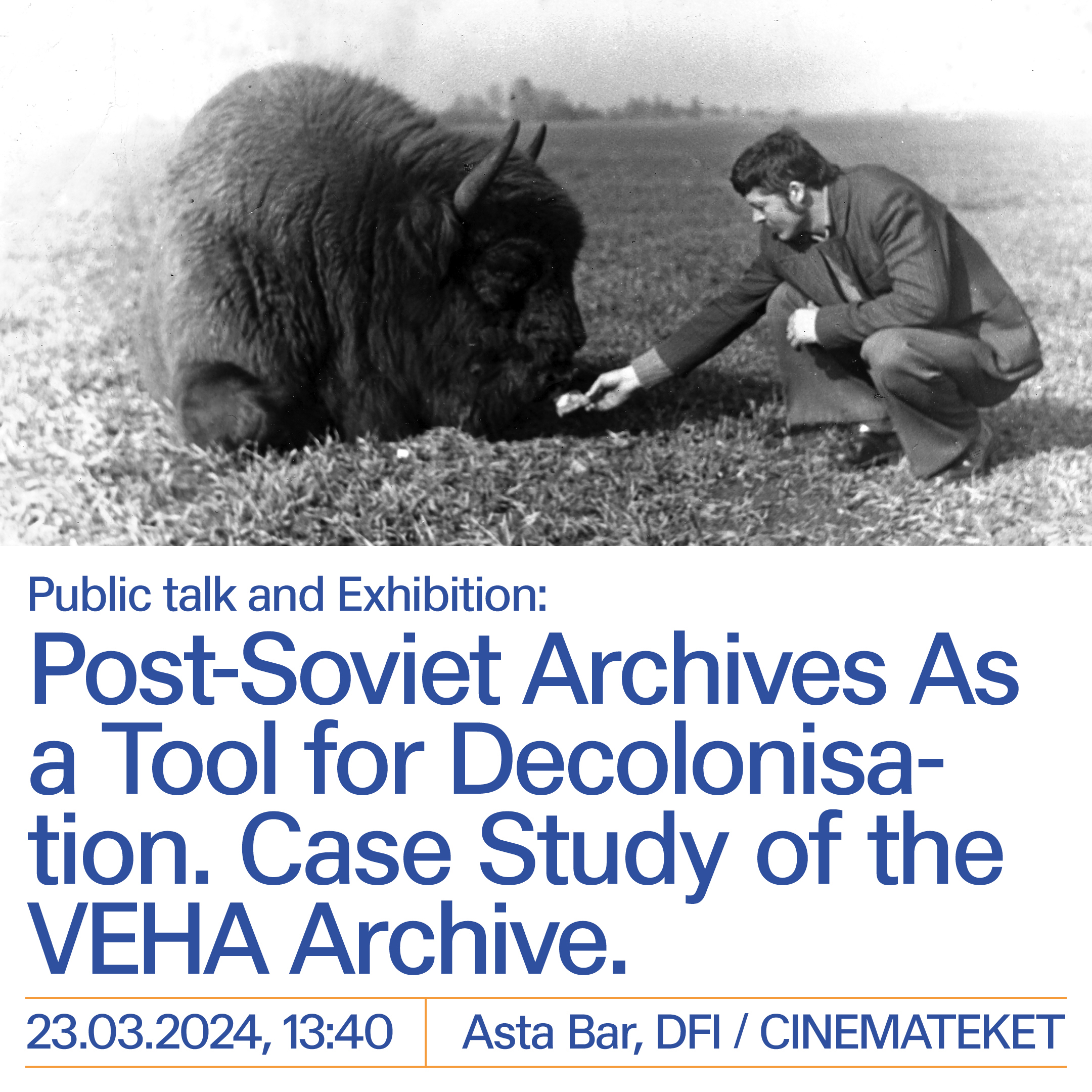
Post-Soviet Archives As a Tool for Decolonisation. Case Study of the VEHA Archive
Participants: Katrine Stevnhøj, Vera Zalutskaya, Volha Samusevich
CPH:DOX – 23.03.2024
Place: Asta Bar, DFI CINEMATEKET Gothersgade 55, 1123 København
Join us for an engaging talk and photo exhibition hosted by Talaka and VEHA Archive during CPH:DOX. VEHA Archive is excited to present a small-scale photo exhibition at Cinemateket's hall, offering a glimpse into the upcoming grand exhibition during the Copenhagen Photo Festival in June.
The exhibition's curator, Vera Zalutskaya, will be in attendance, along with Katrine Stevnhøj, a PhD researcher from KU studying the activism scene in Belarus. Together, we aim to underscore the importance of local archival work and grassroots organizations in preserving Belarus's visual heritage.
Created photo documentation, Lesia Pcholka